UK Driving Licence Photo
A UK driving licence carries a small colour photo of the holder, and that photo has to be replaced every ten years. Send us a picture taken on your phone and we turn it into a UK driving licence photo: cut to 45 mm by 35 mm, with your head at the right height and a plain light grey background, then checked against the photo rules before you download it.
| Size | 35 × 45 mm |
|---|---|
| Head height | 32.8 mm |
| Background | light gray |
| Resolution | 600 dpi |
| Use | digital upload and print |
UK driving licence photo size and basic rules
The UK driving licence photo is 45 mm tall and 35 mm wide, the same format as a printed British passport photo. Inside that frame the head, measured from the chin to the crown, must be between 29 mm and 34 mm high. Our template places the head at 32.8 mm with roughly 4.9 mm of clear space between the top of the hair and the top edge, which sits comfortably inside the allowed range. Print files are saved at 600 DPI, which keeps a photo this small crisp on paper.
- Photo dimensions: 35 mm wide × 45 mm high
- Head from chin to crown: 29 to 34 mm (our template: 32.8 mm)
- Gap above the hair: about 4.9 mm
- Background: plain cream or light grey
- Colour photo, taken in the last month
- Neutral expression, eyes open, looking at the camera
The licence itself is issued by two bodies. Drivers living in England, Scotland and Wales deal with the DVLA, and drivers in Northern Ireland deal with the DVA. Both agencies ask for the same dimensions, which means a single UK driving licence photo cut to this template works for the DVLA and for the DVA.
Framing your face in the driving licence photo
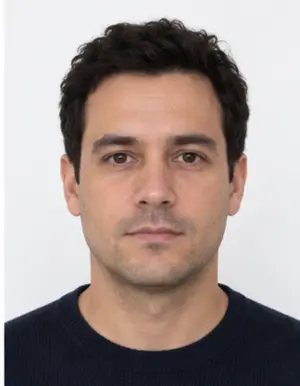
Most photos sent back by a licensing office fail on framing rather than on colour or quality. The licence photo should show your head, your shoulders and the top of your upper body, with your face in the middle of the frame. Look directly into the lens, keep your head level and do not turn your shoulders to one side.
Hair must stay away from your eyes, so pin back a long fringe. If the head is too small in the photo, the officer cannot compare it with your face; if it is too big, the chin or the crown gets cut off. Our crop measures the head in every UK driving licence photo and scales it to fall within 29–34 mm, so you do not have to stand at an exact distance.
Background, light and clothing
The background of a UK driving licence photo must be plain cream or light grey, without patterns, texture or objects behind you. White walls at home often look grey or blue on camera, and a coloured wall is refused. You do not need to find a perfect wall: our background step replaces whatever is behind you with even light grey and removes the shadow line around the shoulders.
Light should come from the front, so that there are no shadows on your face or behind you. The easiest source is a window you face during the day. Avoid a single ceiling lamp, which darkens the eyes and the area under the chin, and avoid the flash, which causes red eye and glare.
Wear normal clothes that contrast with grey, such as a dark or mid-tone top. Hats, caps, hoods and headphones must come off. Religious or medical head coverings are allowed if nothing hides your face between hairline and chin and the fabric leaves no shadow on your skin.
-
 Accepted
-
 Accepted
-
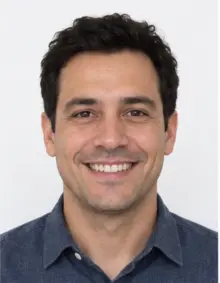 Smiling
-
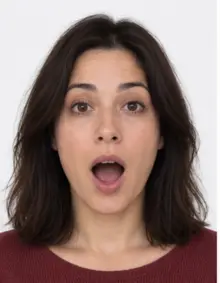 Mouth open
-
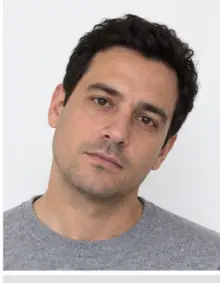 Head tilted
-
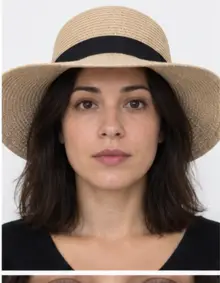 Fashion hat
-
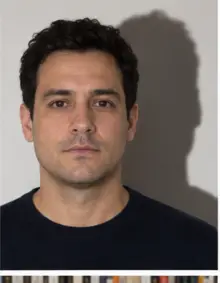 Shadow behind
-
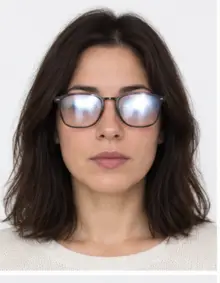 Glare on glasses
-
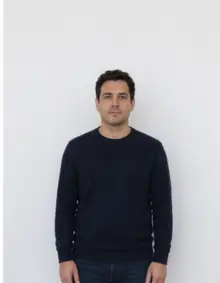 Too far away
-
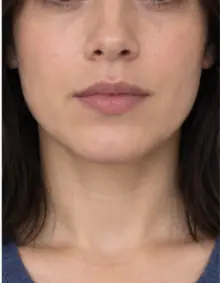 Head cut off
-
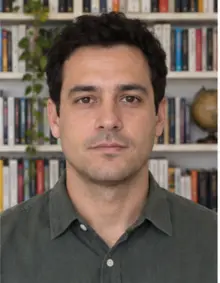 Busy background
-
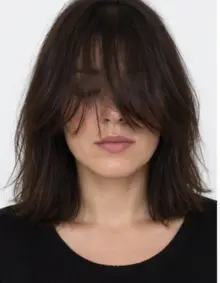 Hair over eyes
The people in these examples are AI-generated.
Expression, eyes and glasses
Your expression in a UK driving licence photo must be neutral: mouth closed, no smile and no frown. Keep both eyes fully open and do not raise your eyebrows. Sunglasses and tinted lenses are never allowed. The DVA advises taking ordinary glasses off where possible; when you wear them in the photo, the frames must not cover your eyes and there must be no reflection on the lenses.
Do not edit the picture with filters, smoothing or make-up effects. The driving licence photo is used to identify you, so it has to look like you on the day it was taken.
How to make a UK driving licence photo with our tool
- Take the picture. Ask someone to photograph you from about 1.5 metres away, with the phone at your eye level and a plain wall around half a metre behind you. A selfie at arm's length also works if the light is good.
- Upload it. Pick UK Driving Licence in the form above and send the JPG, PNG, HEIC, PDF or other image file straight from your phone.
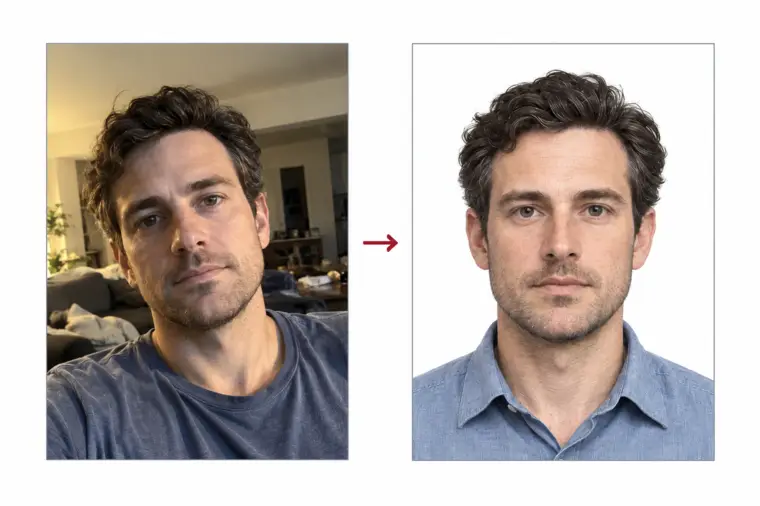
- Let the tool process it. We find your face, crop the photo to 35×45 mm, set the light grey background and run the compliance check on head size, position and expression.
- Download or print. The digital UK driving licence photo is yours to download at no cost. If you need paper copies, choose the print sheet option and take the sheet to a photo lab.
When the check finds something the software cannot correct, such as closed eyes or a tilted head, take a new picture and upload it again. It only takes a minute.
-
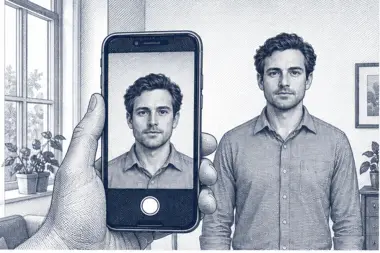 1. Take the picture
At home, against a plain wall, in daylight.
-
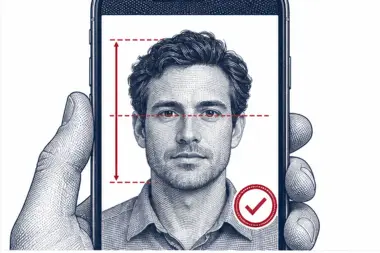 2. We check and crop
Head height, eye line and background are measured.
-
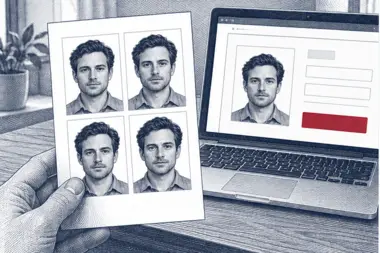 3. Download or print
A file for the upload form or a print sheet.
Where to submit your driving licence photo
In Great Britain you can renew a photocard licence online on gov.uk. The DVLA can reuse the photo from your UK passport, or you can upload a new digital driving licence photo during the application. If you renew by post instead, you pick up a D1 pack from a Post Office that handles DVLA renewals and send it with a printed passport-style photo. If your name has changed, the renewal has to go by post.
In Northern Ireland the DVA accepts applications online and by post. For an online application, nidirect asks you to upload a digital photo that you have not cropped yourself, because the DVA crops it to size. For a postal application you send a printed photo, and a countersignatory may need to certify it.
Whichever route you take, read the official instructions for your region before you send anything. Rules on forms and certification change more often than the photo dimensions.
Digital upload or printed driving licence photo
An online application needs the original image file. Upload the file you downloaded from us, not a screenshot of it and not a scan of a print, because every extra copy makes the face softer. For the DVA, use the uncropped version if the form asks for it.
For a postal pack, the printed driving licence photo must be 45 × 35 mm and in good condition: not bent, torn, stained or written on. Nidirect warns that pictures printed at home are unlikely to be good enough, so print the sheet at a photo lab or a shop with a proper photo printer. Keep the prints flat in the envelope so they arrive without creases.
UK driving licence photo online: renewing in Great Britain
Renewing online is the quickest route for most drivers in England, Scotland and Wales. You fill in the gov.uk form, confirm your details and choose the photo. If you hold a valid UK passport, the DVLA can take the photo from your passport record, and you do not need a new UK driving licence photo at all. If your passport photo is old, or you have no UK passport, you upload a new digital photo during the online application.
The photo you upload online is checked against the same standard as a printed one: a plain light background, a neutral face, both eyes open and the head at the correct size in the frame. A picture that is too dark, too small or cropped at the chin is a common reason for an online application to be held up. Our tool prepares the photo file in the right proportions, so the upload step goes through first time.
- Use the photo file exactly as you downloaded it from us.
- Do not crop, rotate or resize the photo again in another app.
- Check the preview on the online form: the whole head and the shoulders should be in view.
- Keep a copy of the photo in case the DVLA asks for another one.
Photo size in millimetres and in pixels
The official size of a UK driving licence photo is given in millimetres because it was written for printed photos: 45 mm high and 35 mm wide. A digital photo has no physical size, only pixels. At 600 DPI, our print resolution, a 35×45 mm photo is about 827 × 1063 pixels. That is enough detail for a lab to print the photo at full size, and more than enough for an online upload.
Getting the size right matters less than getting the proportions right. The head has to fill most of the height of the photo, with a narrow strip of background above the hair and the shoulders visible below the chin. A photo can be the correct size and still be refused if the head inside it is too small. That is why our check measures the head first and then fixes the size of the photo around it.
When you need a new UK driving licence photo
The photocard part of a UK driving licence has to be renewed every ten years, and the renewal comes with a new photo. The DVLA sends a reminder before the photo on your licence expires, but the date is also printed on the card, so you can check it yourself. Driving with an expired photocard can lead to a fine, so do not leave the renewal to the last week.
From the age of 70, a UK driving licence has to be renewed every three years. If your driving licence photo is ten years old or no longer looks like you, send a fresh photo with that renewal. You can also update the photo early if your appearance has changed a lot, for example after a big change in weight or a new beard.
Licence photo for a first provisional licence
Learner drivers apply for a provisional licence before their first lesson, and that application also needs a licence photo. The photo rules for a provisional licence are the same as for a full UK driving licence: 45 by 35 mm, a plain pale background, no smile and a colour photo taken recently. In Great Britain the online application can use the photo from a UK passport; without a passport, you send a photo with a postal application. In Northern Ireland, follow the photo instructions on nidirect for your application form.
Many learners take the photo on their phone at home. That is fine: our tool crops the photo, sets the light grey background and checks the face, so a teenager can apply without a trip to a photo booth.
Phone photo, photo booth or studio
There are three common ways to get a UK driving licence photo. A phone photo processed online is the fastest and the cheapest, and it gives you a digital file for an online application within minutes. A photo booth gives you a strip of printed photos on the spot, but the result depends on the state of the booth and you only see the photo after you pay. A studio photographer takes the photo for you and prints it, which costs more and takes a visit.
Whichever way you choose, compare the result with the checklist on this page. A UK licence photo from any source is judged by the same rules, and a booth or studio photo can be refused just like a home photo if the background or the expression is wrong.
Common reasons a UK driving licence photo is refused
- The photo is older than one month.
- The background is white, coloured, patterned or shows objects.
- Shadows fall on the face or on the wall behind the head.
- The head is too small, too large or not centred in the frame.
- You are smiling, frowning or have your eyes half closed.
- Glasses reflect light, or the lenses are tinted.
- Hair, a hat or a hood covers part of the face.
- The flash left red eye.
- The print is creased, marked or was produced on a home printer.
Our compliance check covers the size, the crop, the background and the expression. It cannot know when the picture was taken, so always start from a fresh photo for a new UK driving licence photo.
Examples of accepted and refused licence photos
Comparing your own picture with typical cases helps you spot a problem before the licensing office does. Each example below describes one photo and the result it would usually get.
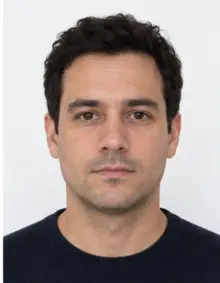
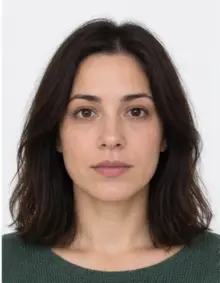
- Accepted: face centred, head about 33 mm tall, light grey background, even light, neutral face. This is the photo our tool produces.
- Refused, too far away: the person stood far from the camera and the head fills less than half of the photo.
- Refused, shadow: a lamp at the side threw a dark shadow onto the wall and across one cheek.
- Refused, smile: the teeth show. The expression has to be neutral.
- Refused, glare: a bright reflection on the glasses hides one eye.
- Refused, cap: a baseball cap is worn for fashion, not for religious or medical reasons.
- Refused, home print: the colours are dull and the paper is curled.
Tips for taking the photo at home
- Keep roughly 50 cm between you and a plain, pale wall so your body casts no shadow on it.
- Face a window during the day. Turn off coloured lamps that tint the wall or your skin.
- Hold the phone at eye level, straight, not angled up or down.
- Leave space around your head and shoulders. We can crop a photo, but we cannot add a missing chin or hair.
- Shoot a few frames and keep the clearest photo, where both eyes are wide open.
- Send the original file, not a copy that went through a messenger app and lost quality.
Checklist before you send the photo
- The photo measures 45 mm high and 35 mm wide.
- Your head is 29–34 mm from chin to crown.
- The background is plain cream or light grey, with no shadows.
- The photo is in colour and was taken in the last month.
- Your face is straight, neutral and fully visible, with both eyes open.
- No sunglasses, no tinted lenses, no glare.
- For a postal pack: a lab print, flat and undamaged.
- For an online application: the original file, not a screenshot.
Free photo or premium processing
The standard UK driving licence photo covers what the licensing office checks: the 35×45 mm size, the head position, the light grey background and a neutral face. You can download it free and use it straight away.
Premium processing is an optional paid service. We correct uneven light and colour, soften small shadows, and a member of our team reviews the driving licence photo by hand before you get it. If the reviewer finds a problem that a new picture would fix, you can upload another one at no extra cost.
| Feature | Standard photo | Premium photo |
|---|---|---|
| 35×45 mm UK licence size | Yes | Yes |
| Light grey background | Yes | Yes |
| Automatic compliance check | Yes | Yes |
| Light and colour correction | No | Yes |
| Manual review by our team | No | Yes |
Driving licence photo rules in Northern Ireland
Northern Ireland is part of the UK, but its licences come from the DVA rather than the DVLA, and its photo guidance lives on nidirect instead of gov.uk. The photo size is the same 45 × 35 mm, and the DVA lists its own photographic criteria: a plain light background, no shadows, a neutral face, eyes open and visible, and no headwear except for religious or medical reasons. In practice a driving licence photo that meets the British passport standard also meets the DVA criteria.
Two details differ. For an online application, the DVA wants the digital photo uncropped, because it crops the photo itself. For a postal application, the printed photo may have to be certified by a countersignatory. If you live in Northern Ireland, download the uncropped photo for the online route, or order a print sheet for the postal route, and read the nidirect page before you post your UK driving licence photo.
Renewing by post with a D1 pack
Drivers who cannot or do not want to use the online service can renew by post. In Great Britain this means a D1 application pack from a Post Office that handles DVLA renewals. The pack goes to the DVLA together with a printed driving licence photo and your old photocard. A name change also has to go through this postal route.
The printed photo should come from a photo lab, a shop with a proper photo printer or a booth, not from a home inkjet. Order the print sheet from us, have it printed in the UK at any photo counter, and cut out one photo along the guide lines. Do not staple or fold the photo, and do not write on the front. Some UK forms ask for a signature on the back of a photo; follow what your own form says.
Why the UK is strict about licence photos
A UK photocard licence is one of the most common forms of photo ID in Britain. People show it to prove their age, to open a bank account, to collect a parcel or to hire a car. The police also check the photo against the driver at the roadside. For that to work, the photo has to be a clear, recent, unedited image of your face, which is why the British licensing offices refuse photos with shadows, filters or a smile.
Our processing respects that purpose. We change the background, the crop and the size of the photo, but we never reshape the face. Premium correction adjusts only the light and colour of the photo, so the result still looks like you on the day the photo was taken.
Other UK document photos
The UK driving licence photo shares its size with the printed UK passport photo, but each document has its own route and checks. A digital British passport application, a UK visa and a UK residence card all have their own pages in our list of documents. Choose the document you are applying for, and the tool loads the right size and background for it.
Applying for several UK documents in the same month? You can reuse one source picture: upload it once for each document, and each British format gets its own crop and background. Families can do the same for every member who needs a UK photo, adults and children alike.
Frequently asked questions
How big is a UK driving licence photo?
45 mm high and 35 mm wide, with the head between 29 and 34 mm from chin to crown.
Which background colour does the UK require?
Plain cream or light grey, with no pattern and no shadows. We set a light grey background for you.
Does the DVLA accept my UK passport photo for the licence?
When you renew online in Great Britain, the DVLA can use the photo from your UK passport. For a postal renewal you need a recent printed photo.
Can I take the photo with my phone?
Yes. A phone picture taken in daylight in front of a plain wall is enough. We crop it and replace the background.
Can I smile in a driving licence photo?
No. Keep a neutral face with your mouth closed and both eyes open.
Are glasses allowed in a British licence photo?
Clear glasses are allowed if your eyes are visible and there is no glare, but taking them off is safer. Tinted lenses and sunglasses are not allowed.
How often do I need a new driving licence photo?
The photocard has to be renewed every ten years, and each renewal needs a recent photo.
Is the photo free?
Making and downloading the digital photo costs nothing. Premium processing with a manual review is optional and paid.